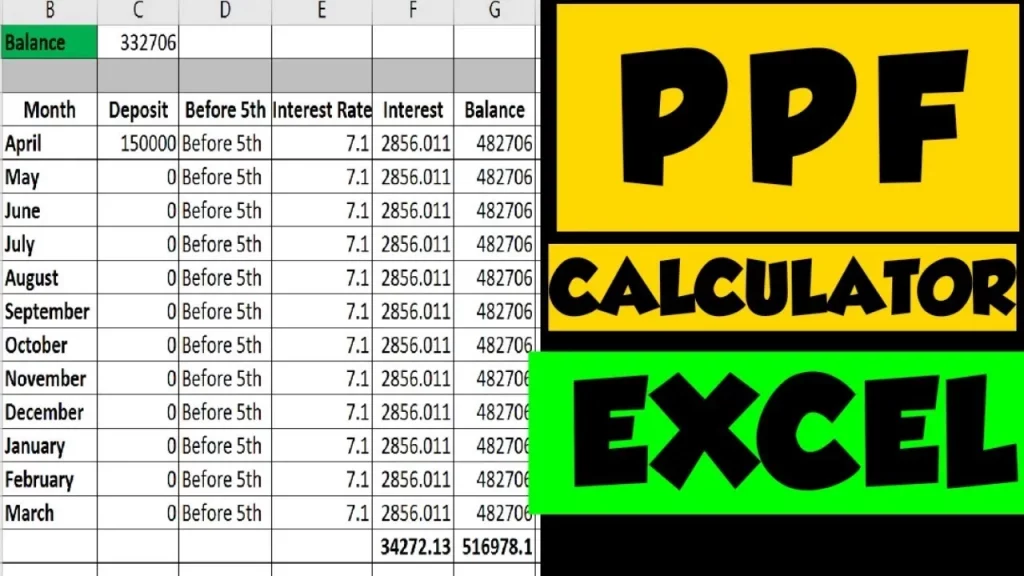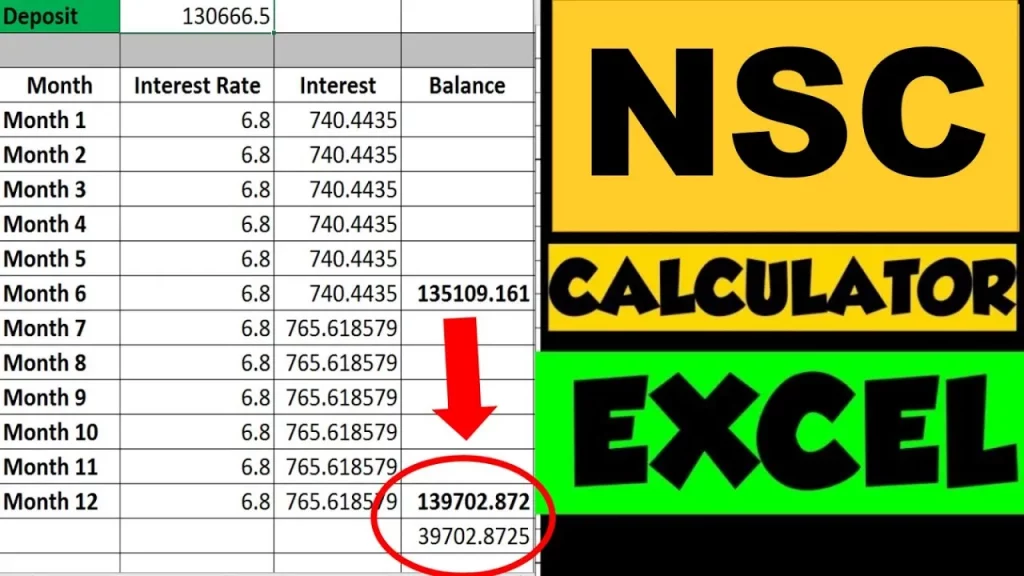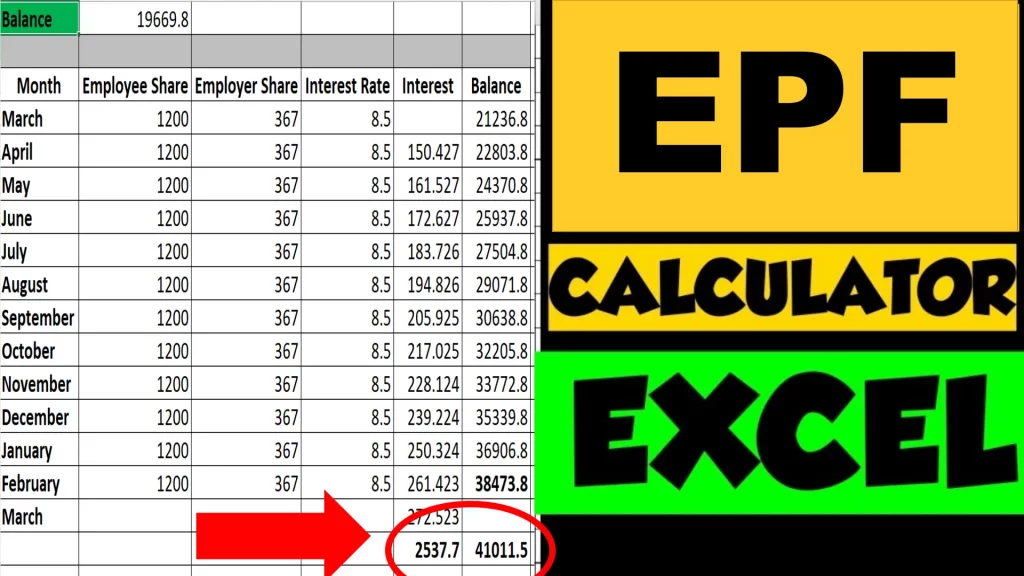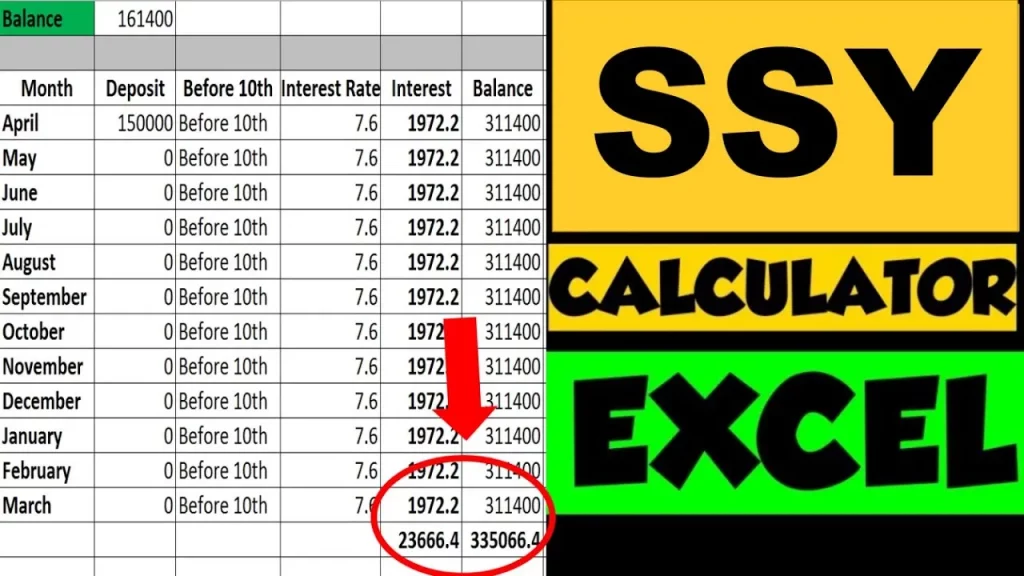
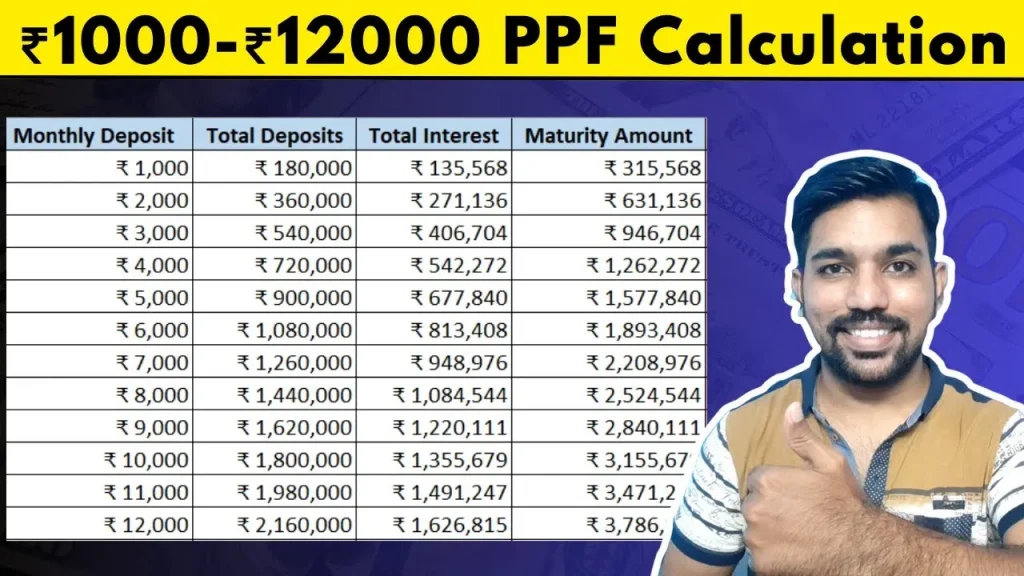
Did you know that depositing in your PPF account before the 5th of the month can maximize your returns? Even small monthly contributions like ₹1,000 can grow into lakhs over 15 years due to compounding in PPF. With deposits up to ₹12,000 per month, the growth becomes even more impressive, all while staying completely tax‑free. Understanding how PPF interest is calculated can help you plan smarter and unlock the full potential of this government‑backed savings scheme.
₹1000 to ₹12000 PPF Interest Calculation Video

Watch more Videos on YouTube Channel
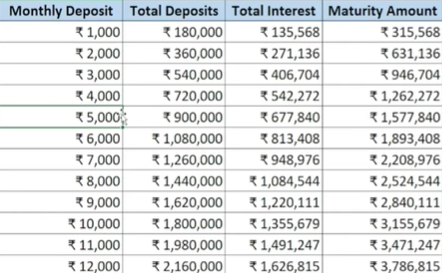
PPF Interest and Maturity Amounts on ₹1000 to ₹12000 Monthly Deposits
Below is the total interest and maturity amounts on PPF monthly deposits of Rs. 1000 to Rs. 12000:
Use PPF Interest Calculator Online:

Benefits of PPF
- Government Backed & Risk‑Free – PPF (Public Provident Fund) is supported by the Government of India, making it one of the most secure savings schemes, apart from Fixed Deposits, Recurring Deposits, Monthly Income Scheme and other Post office schemes
- Attractive Interest Rate – Current interest rate is 7.1% per annum (reviewed in every quarter), compounded annually, ensuring steady growth of your investments in PPF over long term
- Tax‑Free Returns (EEE Status) – Contributions, interest earned, and maturity amount are all exempt from tax under Section 80C
- Long‑Term Wealth Creation – With a 15‑year lock‑in period, PPF helps build a disciplined savings habit and a substantial retirement corpus
- Flexible Investment Amounts – Minimum deposit is ₹500 per year, maximum is ₹1.5 lakh per year, making it accessible for all income levels
- Ideal for Retirement Planning – The long tenure and guaranteed returns make PPF a strong option for senior citizens and risk‑averse investors
- Loan & Partial Withdrawal Facility – Investors can avail loans against PPF balance from year 3–6 and partial withdrawals after year 7, offering liquidity
- Protection Against Market Volatility – Unlike mutual funds or equities, PPF returns are unaffected by market conditions, ensuring stability
- Extension Option After maturity (15 years), the account can be extended in blocks of 5 years, allowing continued tax‑free growth
- Accessible Across Banks & Post Offices – PPF accounts can be opened in nationalized banks, selected private banks, and post offices, making it widely available
- Suitable for All Investors – Salaried, self‑employed, and even minors can invest in PPF, making it a versatile savings instrument
- Safe Alternative to Risky Investments – For conservative investors, PPF offers guaranteed returns without the uncertainty of stock markets
ALSO READ: Home Loan Prepayment vs Mutual Fund Investment
How is interest on PPF calculated?
The interest on PPF (Public Provident Fund) is calculated in a unique way that ensures fairness and encourages consistent savings. The government declares the interest rate every quarter, and currently PPF Interest Rate is 7.1% per annum. Interest is calculated on the lowest balance between the 5th and the last day of each month, which means deposits made before or on 5th day of the month earn interest for that month, while deposits after the 5th start earning interest only from the next month. This interest is then compounded annually and credited to the account at the end of the financial year – in the month of March on 31st.
For example, if you deposit ₹50,000 on April 3rd, it will be included in April’s balance for interest calculation. But if you deposit the same amount on April 10th, it won’t earn interest for April—it will start earning from May. Suppose your balance is ₹2,00,000 on April 5th and you add ₹50,000 on April 3rd, the lowest balance for April becomes ₹2,50,000, and interest is calculated on this. Over the year, the monthly balances are tracked, and at year‑end, the compounded interest is credited.
This calculation rewards early deposits and disciplined saving habits. It also means that timing your deposits—especially making them before the 5th of the month—can maximize your returns. Over 15 years, consistent deposits and compounding can grow into a substantial tax‑free corpus. In short, PPF interest calculation is simple yet strategic: deposit early, stay consistent, and let compounding work in your favor.
Watch above video to understand how much interest you can get in PPF over 15 years based on your deposits between Rs. 1000 to Rs. 12000 on monthly basis
PPF Interest Calculation Date and Compounding
PPF interest is calculated on the lowest balance between the 5th and the last day of each month. This means deposits made before or on 5th day of the month earn interest for that month, while deposits after the 5th start earning interest from the next month. The interest is then compounded annually and credited to the account at the end of the financial year (March 31st).
For maximum benefit, investors should deposit their contributions before the 5th of each month or make a lump‑sum deposit at the start of the financial year, between 1st April to 5th April.
ALSO READ: Home Loan Interest Rate Change Calculator
How do I check my PPF interest?
Here are the simple steps to check your PPF interest and Balance:
- Log in to your bank’s net banking portal or mobile app – Most banks that offer PPF accounts display the balance and interest earned for the financial year
- Check the transaction history – Interest is credited annually (usually at the end of March), so you’ll see an entry for “Interest Credit”
- Use the passbook (if issued) – If you maintain a physical PPF passbook, update it at the bank or post office to view the credited interest
- Refer to official statements – Banks and post offices often provide annual statements showing contributions, interest earned, and closing balance
Is PPF better than FD?
Below is a clear comparison of PPF vs FD to help you see why many investors prefer PPF for long‑term wealth creation and FD for short term savings:
| Aspect | PPF (Public Provident Fund) | FD (Fixed Deposit) |
|---|---|---|
| Safety | Government‑backed, risk‑free | Bank‑backed, safe but depends on institution |
| Returns | ~7.1% (compounded annually, tax‑free) | 6–7% (taxable, varies by bank and tenure) |
| Tax Benefits | Full EEE status: investment, interest, and maturity are tax‑free | Only Section 80C benefit on investment for 5 Years tenure, interest is taxable |
| Tenure | 15 years (extendable in 5‑year blocks) | Flexible (7 days to 10 years) |
| Liquidity | Partial withdrawal allowed after 7 years, loans available | Premature withdrawal allowed but with penalty |
| Best Use Case | Long‑term wealth creation, retirement planning | Short‑term savings, emergency funds |
As seen in above table, PPF is better for long‑term, tax‑free, risk‑free wealth creation, while FDs suit short‑term savings and liquidity needs. If your goal is retirement security and compounding benefits, PPF clearly outshines FD, where as if you want to park money for short term goals such as 1 to 3 years than FD is better that gives good returns compared to savings account.
ALSO READ: FD vs Senior Citizen Saving Scheme Which is Better
Conclusion
PPF interest calculation rewards disciplined and timely deposits, especially when contributions are made before the 5th of each month. Whether you invest ₹1,000 or ₹12,000 monthly, the compounding effect over 15 years builds a substantial, tax‑free corpus. Since the interest is government‑backed and risk‑free, it ensures steady growth without market volatility.
Ultimately, PPF remains one of the most reliable long‑term savings tools for individuals seeking guaranteed returns and financial security.
Some more Reading:
Save Home Loan Interest Amount!
Use Home Loan Excel Calculator that will help you to Save Interest Amount on Home Loan EMI.
Click below button to download Home Loan EMI and Prepayment Calculator in Excel:
Watch how Home Loan Calculator in Excel Works
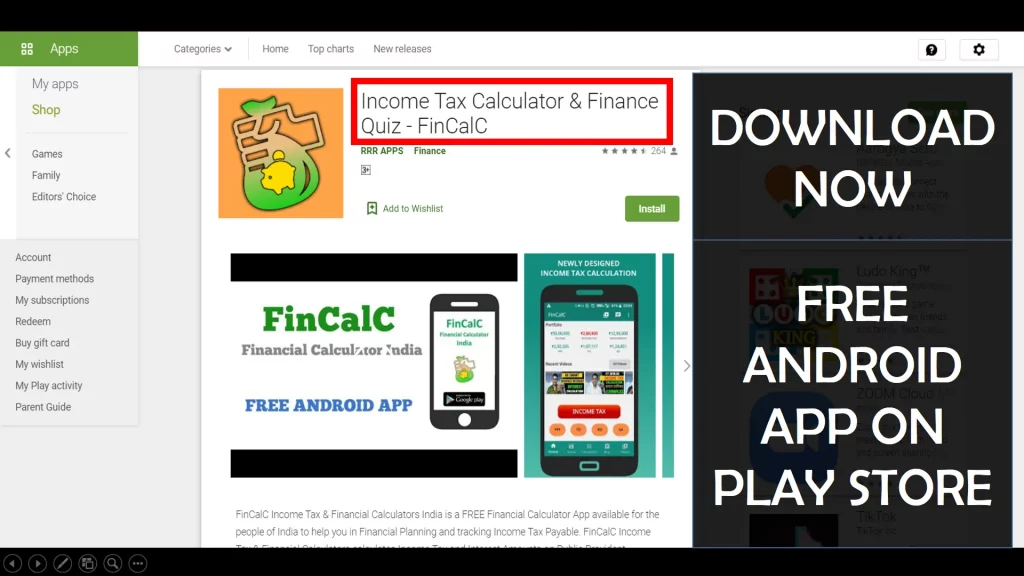
Income Tax Calculator App – FinCalC
For Income Tax Calculation on your mobile device, you can Download my Android App “FinCalC” which I have developed for you to make your income tax calculation easy.
What you can do with this mobile App?
- Calculate Income Tax for FY 2025-26 and previous FY 2024-25
- Enter estimated Investments to check income tax with Old and New Tax Regime
- Save income tax details and track regularly
- Know how much to invest more to save income tax
- More calculators including PPF, SIP returns, Savings account interest and lot more
Use Popular Calculators:
- Income Tax Calculator
- Home Loan EMI Calculator
- SIP Calculator
- PPF Calculator
- HRA Calculator
- Step up SIP Calculator
- Savings Account Interest Calculator
- Lump sum Calculator
- FD Calculator
- RD Calculator
- Car Loan EMI Calculator
- Bike Loan EMI Calculator
- Sukanya Samriddhi Calculator
- Provident Fund Calculator
- Senior Citizen Savings Calculator
- NSC Calculator
- Monthly Income Scheme Calculator
- Mahila Samman Savings Calculator
- Systematic Withdrawal Calculator
- CAGR Calculator
I’d love to hear from you if you have any queries about Personal Finance and Money Management.
JOIN Telegram Group and stay updated with latest Personal Finance News and Topics.
Download our Free Android App – FinCalC to Calculate Income Tax and Interest on various small Saving Schemes in India including PPF, NSC, SIP and lot more.
Follow the Blog and Subscribe to YouTube Channel to stay updated about Personal Finance and Money Management topics.
Disclaimer: Mutual Fund investments are subject to market risks, read all scheme related documents carefully. Registration granted by AMFI, membership of SIRO (if applicable), and certification from NISM in no way guarantee performance of the intermediary or provide any assurance of returns to investors.
Distributor Details: Name: Abhilash Gupta | AMFI Registered Mutual Fund Distributor | ARN: 367014